 ,
,
 and
and

 Promo Codes Available:
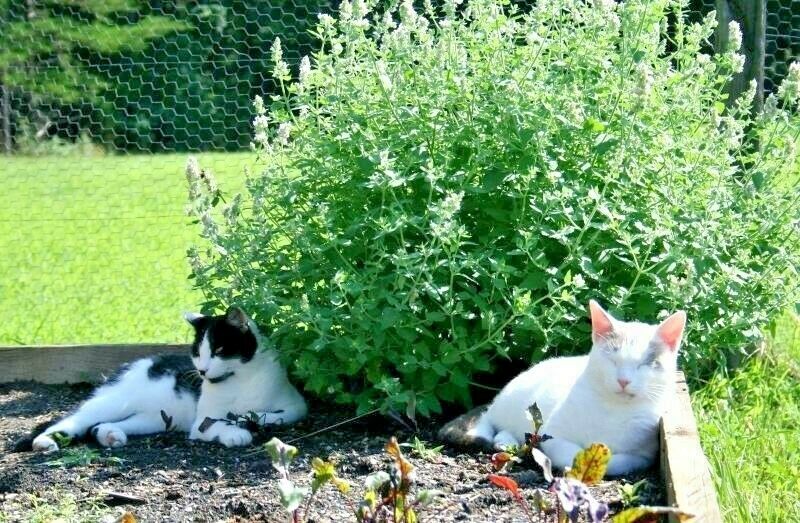
Growing Catnip Herb Seed
Days to Maturity: Perennial, will self-seed much like traditional annuals- Hardiness Zone: 3-9
- Planting Depth: 1/2"
- Plant Spacing: 15-36”
- Growth Habit: Upright
- Soil Preference: Well-drained
- Temp Preference: Warm
- Light Preference: Full sun to partial shade
- Color: Green
- Flavor: Pungent, mint-like taste and aroma
- Misconceptions: Often confused with Cat Mint varieties
The Difference Between Catnip and Cat Mint
Catnip (Nepeta cataria) and Cat Mint (Nepeta nervosa) are often confused for each other--and for good reason. They both belong to the mint family (Nepeta) and have similar flowering habits, producing spike-like flowers. Nepeta nervosa and other similar cat mint varietals (Nepeta mussinii and Nepeta x faassenii, for example) are dwarf showy perennials that don't have an effect on cats. Generally, "Cat Mint" in the UK does refer to catnip (Nepeta cataria) while in the US, it only refers to the ornamental Nepeta varieties.
Catnip Seed Preparation, Sowing, and Germination
Catnip seeds must be stratified before being sown. Stratification is the process by which you slightly damage the seed coat to aid in germination. Seed failing to germinate can be a result of not stratifying your catnip seeds. A popular technique is to freeze the seeds and thaw them several times over the course of a few months. Another method is to freeze them for a week or more and then place them in a bowl of water overnight. This process should cause the seed hull to be damaged just enough for successful germination, which should take 2 to 3 weeks in ideal conditions.
If starting catnip seeds indoors, sow 1 to 2 months before the last frost date in plug trays. Keep soil moist but not soggy. When seedlings appear, place them near a window to receive light until the final frost is past. Harden off your seedlings before transplanting.
If you are sowing outdoors, wait til all threat of frost has passed and sow them a half-inch below the soil. Remove any debris from ground before planting.
Keep in mind that catnip is a very aggressive grower once its roots take hold. Consider planting in a container to prevent the possibility of catnip becoming invasive.
Growing and Maintaining Catnip
After the seedling phase, catnip adorns these lovely serrated leaves that resemble mint very much. Water regularly, but not too much. Catnip roots don't like to be in standing water, so water enough to moisten soil and then allow it to dry near to completion before watering again. Of course, in the high heat of summer, water will evaporate much quicker, so, watering frequency will naturally increase.
Pinching - Pinching catnip benefits the plant and your garden as a whole. As catnip grows, it becomes more aggressive, branching out and spreading; for a bushier plant, pinch the tops. This also helps to prevent catnip from bolting, which if allowed to go to seed, may cause future problems for your garden, as it can be hard to get rid of after that.
Possible Diseases Common to Catnip
- Blight - yellow flecks that grow and trun brown.
- Bacterial Leaf Spot - yellow spots grow and trun black, withering the whole herb.
- Root Rot - brown slimy roots that stink; plant wilts and dies.
- Septoria Leaf Spot - gray spots with fungal spores at the centers; caused by poor circulation due to overcrowding.
Disease Prevention: before planting, clear away any debris and/or weeds. Do not turn soil when it is wet, and avoid overwintering and splashing water onto the growing herb itself.
Possible Pests Common to Catnip
Catnip has a low potential for attracting pests, but with poor soils, pests can become an issue. These pests can include . . .
- spider mites
- thrips
- white flies
- flea beetles
Pest Prevention: prevent these by fertilizing your soil correctly. Make sure that your soil is clean from debris and weeds. If you are planting in a container with fresh potting soil, these pests shouldn't become an issue.
Catnip Herb as a Companion Plant
Catnip is known to ward off several pests including . . .
- Aphids
- Ants
- Cabbage Loopers
- Colorado Potato Beetles
- Japanese Beetles
- Flea Beetles
- Cockroaches
- Weevils
- Squash Bugs
The ability to ward off said insects, catnip makes a fantastic companion plant for collards greens (and other similar brassica varieties), beets, pumpkins, and summer squashes. When flowering, catnip is a terrific pollinator attractor!
Harvesting Catnip Leaves
Harvest catnip leaves as you need them. Just pinch the serrated leaves form the branches and gather them in a baggy. Use fresh or dry them for future use.
Drying Catnip for Future Use
You may also opt for drying out the whole plant or branches. If so, cut at the base of the branch or stem and hang upside down in a temperate and well-ventilated area.
Cat Uses
Catnip doesn't affect all cats; whether it does or doesn't depends on genetics traits of the cat. Nepetalactone is the compound in catnip that elicits a reaction and some cats just haven't developed receptors to have what is called a nepetalactone reaction, which stimulates the cat to become hyperactive or the opposite. Cats will sniff, roll around, paw, and sometimes even eat the catnip itself. This effect only lasts several minutes to a half hour. At times, cats have been known to react poorly to catnip, exhibiting vomiting and diarrhea.
Human Uses
People use catnip too; however, it is less common. A tea made from catnip has been purported to relieve coughs. The oil from catnip has also been used to ward off mosquitos when applied to skin.